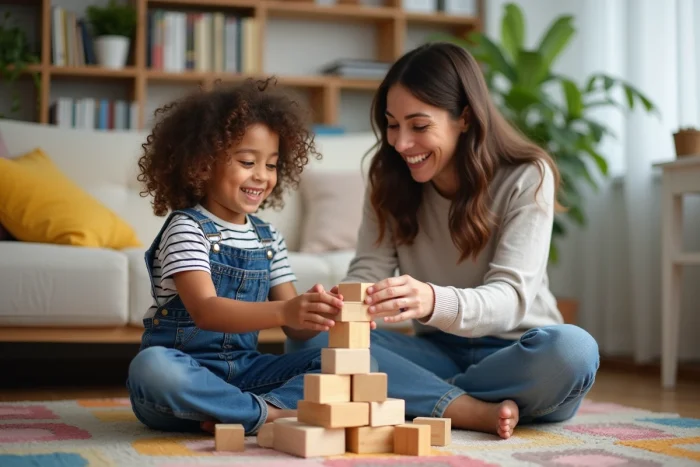
An learning curve is never a straight line, especially with children. Between two children born in the same year, the gap in progress can be measured in months, sometimes more. There is nothing pathological about it. Some skills emerge unexpectedly, while others take root slowly, encouraged by a discreet and constant presence.
The trust placed in a child when they fumble and make mistakes directly influences how they will appropriate their new skills. A minimal adjustment in routine, a word phrased differently, and the way the child views their abilities can change, sometimes for good.
Supporting your child: why kindness changes everything
Respecting a child’s pace means choosing to accompany rather than dictate. The parent becomes a guide, a support, never an imperial conductor. Kindness goes far beyond mere gentleness: it involves understanding what the child deeply needs, securing the space around them, and praising every attempt, whether successful or not. Learning then becomes rooted in practice and experience; failure becomes a springboard, never a source of fear. Autonomy is born from this offered trust, encouragement to try, and permission to stumble and start over.
Non-violent communication and active listening lay the foundations for a peaceful family atmosphere. Welcoming emotions, without labeling them, allows the child to strengthen their self-confidence and learn to value themselves. Nurturing creativity, creating spaces to play, and entrusting small responsibilities: every gesture, every initiative contributes to flourishing. Play is not trivial: it emerges as a driving force for learning and the parent-child bond.
To support your child, prioritize kind advice and tools suited to their age. Clear guidelines, expressed positively, reassure and set boundaries. When adults align their words and actions, the child feels securely anchored in their family.
If you are looking for concrete ideas, resources for children on Maman Zen offer practical ideas designed for parents who want to support their child with respect and clarity. Positive education, by providing a structured yet flexible framework, helps the child become more autonomous and self-assured while maintaining a quality family bond.
What guidelines to support each stage of development?
Supporting development involves establishing stable, understandable, and age-appropriate guidelines. It starts with positive rules: simple, clearly stated, shared by all. It is about describing what is expected, valuing effort, and transforming prohibitions into understandable instructions. The child learns the rule by living it, never by enduring it. When the family avoids contradictions, the child feels secure.
Respecting each child’s unique pace is key to guiding without pressure or comparison. Some children discover through play, others express themselves mainly verbally, and some prefer to observe. Play, far from being secondary, structures learning and relationships. It stimulates imagination, initiative, confidence, and autonomy, provided that the environment remains secure.
Here are a few points to keep in mind to support your child’s development:
- Age-appropriate responsibilities enhance the feeling of competence.
- Games, books, and children’s magazines stimulate autonomy and the ability to act independently.
- Guidelines evolve with age: what reassures at three years old is no longer sufficient in adolescence.
With positive parenting, expectations are clearly expressed, emotions are welcomed, and constructive dialogue is prioritized. The child then finds their place, feels respected, and develops their social skills through shared family experiences.
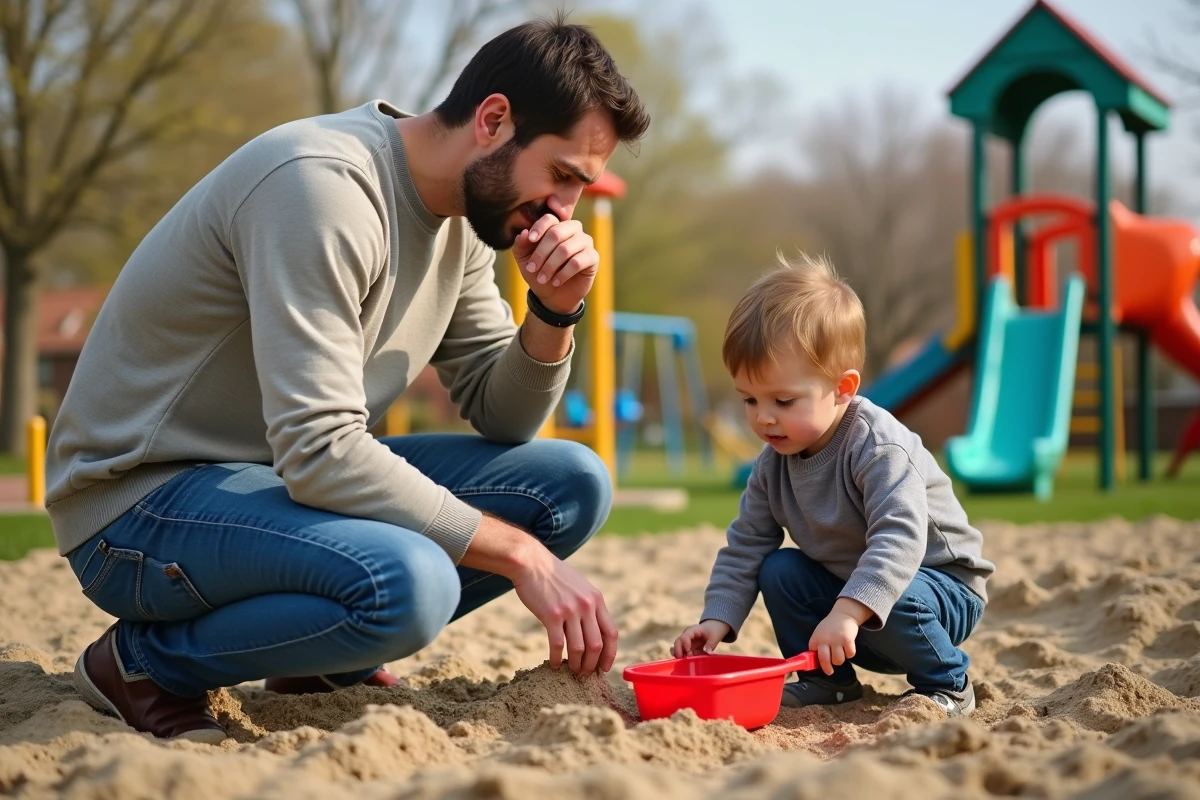
Inspiring resources to go further in the parenting adventure
Listening, supporting, guiding: kind parenting is enriched by diverse perspectives and shared experiences. Numerous resources allow for deepening practice and better meeting the needs of each child. Sophrology, for example, helps both young and old tame their emotions through breathing, accessible exercises, and visualization. Nathalie Peaucelle, a recognized sophrologist, offers a concrete method to navigate emotional storms together.
Naturopathy also finds its place in the family toolbox. Dietary advice, sleep routines, small rituals for taking care of the body: children learn to listen to their feelings and align with their own rhythm. These approaches, easy to adapt, daily reinforce confidence, autonomy, and family bonds.
To enrich your journey, several resources deserve attention:
- The works of Isabelle Filliozat and Catherine Gueguen provide valuable insights into emotional support, based on neuroscience.
- Non-violent communication, developed by Marshall Rosenberg, offers keys to listen without judgment and consider everyone’s needs.
- Pedagogies inspired by Maria Montessori provide practical tools to encourage autonomy and creativity.
- Guides written by experts like Anne Bacus or Jean Epstein stimulate reflection on positive education and the parent-child bond.
With this diversity of resources, each family can chart its own course, attentive to the uniqueness of each child and determined to reveal their strengths. The path of parenting rarely resembles a highway, but every detour can become a valuable opportunity to learn together.