
Less than 40% of professional coaches in France engage in continuing education each year, according to the Ministry of Sports. However, regulations require specific certifications to coach teams or high-level athletes. Today, training programs continue to evolve: they incorporate the socio-sporting dimension, performance analysis, and tailored support.
Some pathways remain in the shadows even though they allow for the acquisition of sought-after skills: stress management, recovery optimization, adaptation to the reality of the field. The range of offerings is expanding and allows for the construction of personalized pathways, from individual coaching to the preparation of groups engaged in the sports scene.
Why professional training is transforming physical preparation and sports performance
Professional training reshuffles the cards of physical preparation and sports performance. Today, demanding and passionate athletes cannot overlook the contribution of structured support. Specialized modules go beyond simple training: they teach planning, recovery management, and mental preparation strategies. The National Sports Agency highlights the plurality of performance levers: health, stress management, nutrition, precise analysis of sports gestures. Updating one’s knowledge is key. Mental coaching training now occupies a central place: it serves both high-level athletes and coaches or trainers. The goal: push boundaries, prevent injuries, remain competitive. The programs also include modules to facilitate professional integration, opening concrete doors to sports employment. In this spirit, the platform https://www.sport-academy.fr/ offers pathways designed for the demands of high-level sports. The offer is constantly renewing: athletes in transition, young people seeking excellence, established professionals in search of expertise, each finds a suitable springboard. The era where sports performance is built between science, experience, and pedagogy is indeed here: every detail can make the difference to last and progress.
Which training programs to choose to develop skills and boost a sports career?
Athletes determined to take the next step wonder: which training to choose to transform a career and open the way to new horizons? The plurality of programs becomes an asset. Several paths are available, combining sports requirements and the acquisition of recognized skills.
Overview of structuring pathways
Here are the main pathways that structure the sector and foster solid progression:
- State diplomas BPJEPS, DEJEPS, DESJEPS support skill development, from field coaching to the highest level coaching. These programs, designed by and for sports stakeholders, ensure a quick entry into the job market.
- The STAPS field (sciences and techniques of physical and sports activities) lays the scientific foundations: physiology, biomechanics, mental preparation. It opens towards management, teaching, or high-level performance.
- Specialization certificates issued by sports federations refine expertise: technical analysis, recovery optimization, preparation for the Olympic and Paralympic Games.
High-level athletes listed on ministerial lists benefit from specific support: financial aid, bonuses for medalists, sponsorship scholarships, support mechanisms for retraining. These are all levers that guarantee the continuation of demanding training without giving up excellence. Sports excellence sections, linked to federal projects, become real nurseries for talent and professional integration.
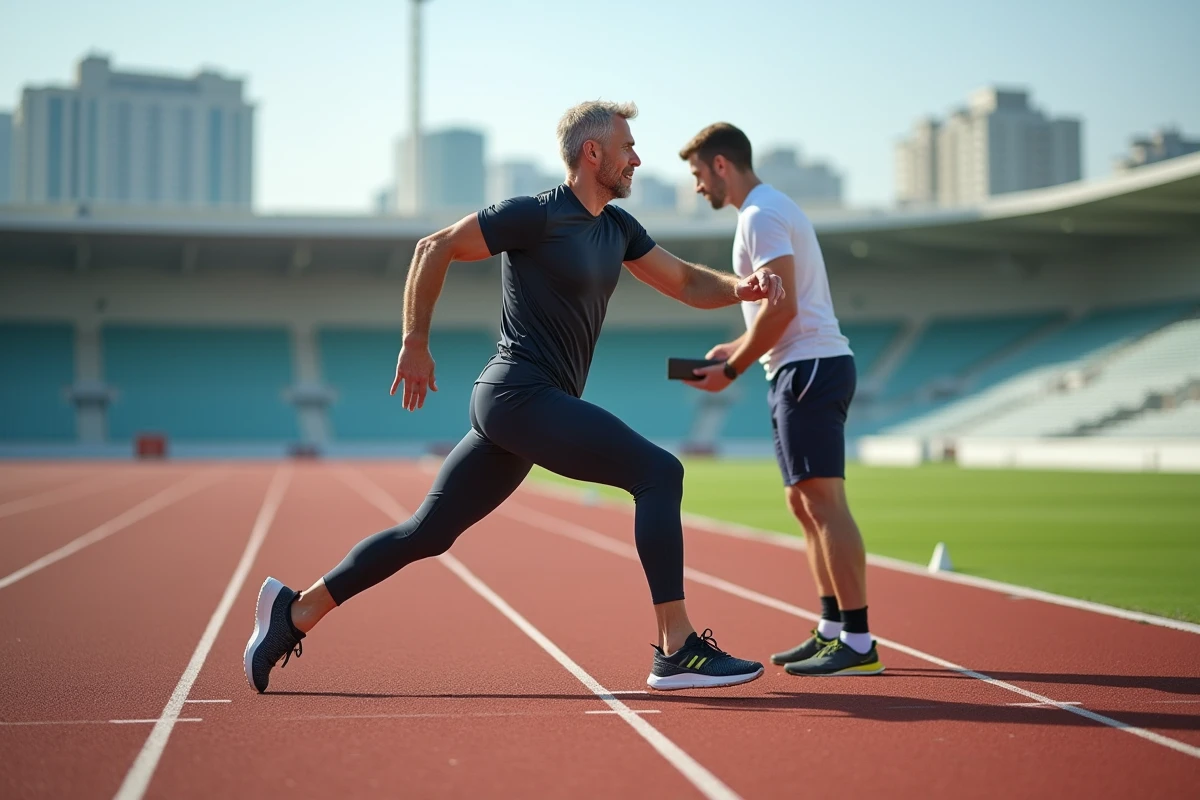
Socio-sport: a lever for sustainable impact in the training of sports professionals
Socio-sport establishes itself as an interface between support, professional integration, and performance. This hybrid approach, which combines training and social inclusion, disrupts the usual functioning of structures. Initiatives are multiplying to integrate both trainees and athletes with disabilities as well as people distanced from employment, demonstrating the power of sport as a factor of equal access.
Socio-sport does not stop at technique or physical preparation. It helps individuals to better know themselves, gain autonomy, and strengthen valuable psychosocial skills. Programs are tailored to the profile of each participant, whether they are athletes with specific needs (digestive disorders, for example) or projects identified through the sport data hub. This dynamic highlights the close link between health and employment.
Several concrete actions illustrate the rise of socio-sport:
- Structures are forming partnerships with companies to strengthen the impact of integration.
- International sports events serve as laboratories to showcase acquired skills and test new programs.
Training through socio-sport shapes new professional horizons. It gives sports stakeholders transversal expertise, solidly anchored in the reality of the field, and meets the growing demand for inclusion in the sector. The field is opening up, and the dynamic is just beginning: it is up to each professional to write the next chapter, where sport and commitment come together in the present.