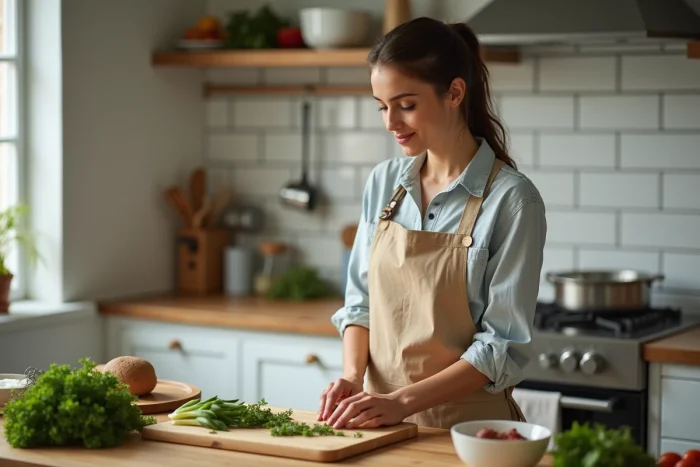
Stirring a sauce continuously does not necessarily prevent lumps from forming, but choosing the right utensil and the temperature of the liquid makes all the difference. Whipping up mayonnaise by hand works even with an egg at room temperature, contrary to a persistent belief.
Mastering a few technical gestures radically changes the outcome of a preparation, whether it’s achieving a crepe batter without resting or successfully cooking rice that is perfectly separate. Some lesser-known tips transform the daily culinary experience and make learning easier for anyone who wants to improve without getting discouraged.
Why success in cooking starts with a few simple basics
A well-cooked vegetable or tender meat is not left to chance: it all depends on respecting the gestures passed down, sometimes neglected in the age of quick videos. Counting carefully, monitoring temperature, focusing on cutting: every detail affects taste, texture, and pleasure, much more than one might think. Salting the water for potatoes, judging the color of a sauce, identifying ripe fruit by touch—these are what separate the attentive cook from the mechanical follower of recipes. Cooking is not about sleight of hand; it is a precise discipline, nourished by observation and habit.
The tips that make a difference in daily cooking often come down to obvious gestures, forgotten in the whirlwind of routine. Rinsing potatoes before cooking so they don’t stick, peeling fruits to concentrate flavors, adding just the right amount of salt to vegetable water: these habits shape the success of a preparation without complicating the task.
Those who want to go further will find a wealth of precise guidelines on https://www.conseils-cuisine.net/: adjusting egg cooking, keeping green beans vibrant, limiting persistent odors, extending market freshness. Whether to elevate a simple potato or to enhance a sauce, it all relies on a handful of proven techniques. Professionals know this: repeating basic gestures, over and over, hones the skill, unleashes imagination, and allows for daring new combinations.
What tips to cook without stress and avoid beginner mistakes?
In the evening, cooking can quickly turn into improvisation, even disaster. A simple method changes the game: prepare all the ingredients in advance before starting the assembly. This anticipation, called “mise en place,” lightens the pressure and prevents searching for salt at the last minute. This discreet but effective reflex makes all the difference.
Another habit to adopt: organize your space. No need for a high-tech work surface: just a clear corner, a sharp knife, and a clean towel at hand. Fluidity sets in, and gestures flow easily. To succeed with everyday classics, there’s no need for rare gadgets: attention to preparation takes precedence over equipment.
For pasta, here are some useful guidelines: measure the water precisely, salt it generously, add a drizzle of olive oil just before draining. It changes the texture, amplifies the flavor.
A few recommendations to avoid common blunders:
- Respect cooking times: even a minute too long and the meat dries out, the pie burns, the dish loses its charm. Taste, monitor, adjust relentlessly.
- Avoid improvised mixtures: the combination of olive oil, salt, and pepper lays the foundation before any fanciful additions.
- For persistent odors on hands: after garlic or fish, rub them with Marseille soap or stainless steel. The odors disappear, and the skin doesn’t suffer.
Plate after plate, recipe after recipe, it’s the sum of these simple, repeated gestures that builds confidence and allows progress without fear. Assurance comes from trials, adjustments, until cooking becomes a playground, not a minefield.
Easy techniques to elevate your dishes daily and gain confidence
Each meal is an opportunity to add that little extra that changes everything. Mastering seasoning means knowing how to give depth to a dish with a few grains of salt, a hint of pepper. Fresh herbs like chives, parsley, and cilantro transform a sauce, awaken grilled vegetables, and make even the simplest salad shine. A zest of grated citrus brings a whole new aroma to the table.
For cooking, adjust the heat according to the desired result. A crunchy vegetable is briefly sautéed in hot oil: it retains color and vitamins. A tomato sauce, on the other hand, requires patience and gentleness: time brings out the aromas. Observing, tasting, adapting—that’s the key.
Here are a few techniques to incorporate to enrich your preparations:
- Save the cooking water from vegetables: it can be used to thin a sauce or loosen a puree. It enhances flavor and consistency.
- Prepare your dressings: a bit of oil, vinegar, a touch of mustard, a few spices—the difference is immediate.
Presentation matters as much as the recipe: a warm plate for stews, a cold one for crunchy salads or fruits. Contrasting colors and textures stimulate the appetite even before the first bite. It is in these gestures, inherited from professional kitchens and adapted to everyday life, that one finds confidence and the joy of cooking. The next time you step behind the stove, remember: cooking is learned through detail, and that’s where the greatest satisfactions are born.