Receiving a 429 code is not an isolated technical bug. It is a standardized response applied by many servers to regulate the flow of requests.
This message, often misinterpreted, does not indicate a definitive failure but rather the implementation of a temporary limitation. Its appearance results from an automatically set threshold, sometimes without warning, aimed at protecting the stability of the service more than punishing the user.
Understanding air-dry clay: challenges and creative possibilities
Air-dry clay, also known as self-hardening clay, has conquered the world of creative hobbies and amateur sculpture. Its strength? It dries in the air, without any firing step. Composed of a mixture of glue and specific additives, it is easily shaped and then hardens without thermal intervention. This process makes it particularly appreciated by children, as well as adults who want to mold without complex equipment.
To better understand its common uses, here are its main characteristics:
- It is primarily found in mineral white, a versatile base, and terracotta to evoke the warmth of traditional pieces.
- Intended for modeling, it adapts equally well to the creation of decorative objects and detailed sculptures.
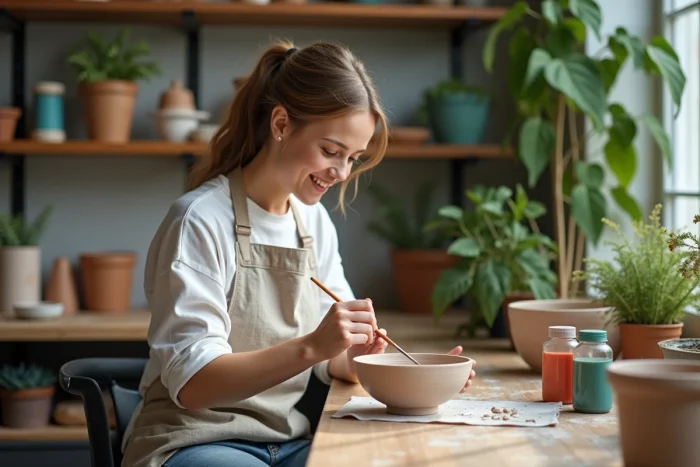
Painting on this material frees you from usual constraints. Unlike traditional clay, self-hardening clay is not made for food use, but it invites you to freely test various painting techniques. Artist Mylène Laborne, loyal to Durcidur paste, creates sensitive and precise works without ever needing to use an oven.
To successfully create your first pieces, it is better to shape with a consistent thickness and strictly adhere to the air drying times. This step ensures strength and avoids cracks.
For those looking to get started, here are some tips for painting air-dry clay: prefer acrylic for an intense finish, gouache for a softer touch, or pastel for light shades. A gesso-type primer significantly improves paint adhesion, and a protective varnish finalizes the whole, permanently fixing the colors. With self-hardening clay, creativity does not wait for an oven or sophisticated equipment: all the energy focuses on the gesture, the idea, the desire to experiment.
What techniques and tips to succeed in your decorations without an oven?
Working with self-hardening clay is taking a counterpoint to the habits of ceramicists. Its surface, more porous than that of fired clay, requires some special attention.
- Sand each piece after complete drying to eliminate small irregularities and achieve a smooth surface.
- Apply a gesso finely, which serves as a universal undercoat and prevents the color from being absorbed or dulled.
For coloring, acrylic remains unbeatable: it covers well, dries quickly, and offers vibrant shades. Gouache, softer, appeals for children’s creations but absolutely requires a varnish to last over time. Texture enthusiasts also enjoy working with pastels, dry or oily, to accentuate certain reliefs or add a velvety touch.
Here are other techniques to implement to personalize each object:
- Use different tools: the roller creates solid backgrounds, the sponge patinates the color, and the masking tape draws clean patterns.
- Remember to protect your work surface with newspaper, much more effective than a simple cloth.
- Slip (clay diluted with water) allows you to assemble elements with a natural and solid bond.
- Use cookie cutters to shape, or engobe (colored liquid clay) for a unique matte effect before painting.
After decorating, resist the temptation to handle your creation too quickly. Let it dry without drafts to avoid any deformation. Finish with a varnish, matte, satin, or glossy depending on the desired effect, or a touch of linseed oil to enhance durability. This final gesture ensures shine, protection, and resistance to use.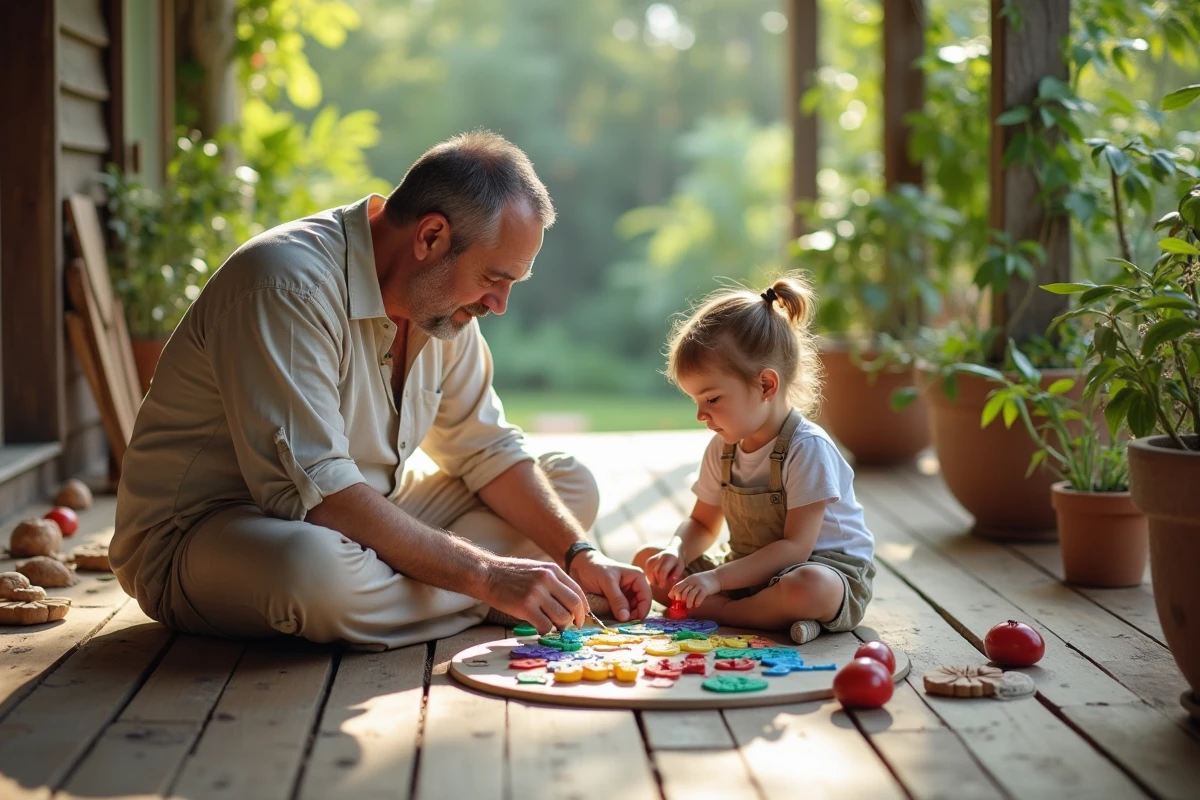
Simple ideas for original effects: how to easily personalize your creations
Self-hardening clay allows for imagining varied decorations, often accessible even to the least experienced. Here are some easy approaches to implement that make an impact:
- Spread a layer of acrylic with a wide brush for a solid, vibrant background, ideal for giving a contemporary style to an object.
- To play with contrasts, place a masking tape on a dry surface, apply a second color, then remove it to obtain sharp, clean lines.
Other tools add an extra dimension. Using a sponge allows you to apply color in irregular touches, perfect for simulating a stone or marble effect. Those who appreciate regular patterns turn to the stencil: simply fix it on the clay and tap with a dry brush to reveal clear, easily reproducible designs.
To refine details, acrylic markers (like Posca) are invaluable. They draw lines, dots, or precise lettering, even on curved surfaces. Ideas abound, fueled by online communities and social networks, where everyone shares their trials and discoveries. Some dare to use direct printing, pressing lace or plants onto the still-wet clay, then highlighting the relief with color.
Finally, applying engobe before complete drying gives a matte and soft, almost velvety appearance. All these techniques can be combined to shape unique objects, reflecting your inspiration. The field of possibilities expands with each attempt, and the desire to invent never takes a break.