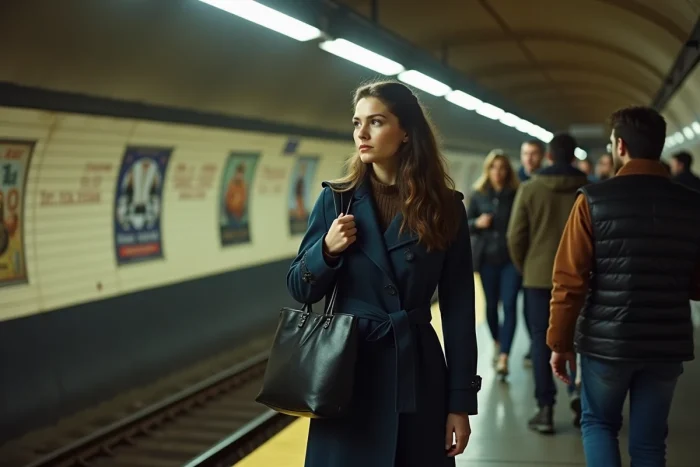
Stubborn numbers, cameras everywhere, uniforms patrolling the corridors: nothing works, some Paris metro stations remain hot spots in a sprawling network where attention must never wane. Here, vigilance is not a luxury but a simple precaution to navigate the city without unpleasant surprises.
Neighborhoods to watch: why some metro stations in Paris require more attention
Above ground and underground, Paris never quite resembles itself from one neighborhood to another. Each arrondissement has its habits; some stations welcome strollers, while others demand heightened attention. The almost confidential stops, far from the tourist rush, can sometimes be the most unpredictable. Take Pelleport, tucked away on line 3 bis: sparse traffic, deserted corridors, a unique atmosphere. Surveillance seems distant, almost withdrawn.
Some areas on the outskirts of the center, like Chardon-Lagache on line 10, Plaisance, or Boucicaut on line 8, embody this paradox: neighborhoods in transition, where precariousness lurks and petty crime has never deserted. Danube, in the upper 19th, welcomes visitors to the Buttes-Chaumont, but at nightfall, the platforms descend into shadow.
Don’t think that vigilance is only necessary on the periphery. Bastille gathers tourists, students, locals, and a few seasoned pickpockets every day. On the Champs-Élysées, Franklin D. Roosevelt provides a flashy backdrop for a dense crowd, an ideal target for thieves, especially in the hustle and bustle. Havre Caumartin attracts a relentless life late into the night, but its old alleys become conducive to unwanted encounters when the trains empty.
To easily navigate, the list of the most dangerous metro stations in Paris compiles the most monitored black spots of the network. Depending on the time, the area, or the crowd, the level of risk fluctuates; keeping a cool head and a mobile gaze is the first line of security.
Top 10 stations where vigilance is essential: a focus on risky areas and situations to know
The face of risk is never the same depending on the station. Sometimes it’s a compact crowd, elsewhere complete isolation. Here’s a list of Parisian stations where vigilance must, more than anywhere else, remain sharp:
- Pelleport (line 3 bis): few passengers, discreet presence, atmosphere sometimes deserted.
- Boucicaut (line 8): neighborhood in upheaval, tensions heightened in the evening.
- Chardon-Lagache (line 10): modest traffic, dispersed users, lesser surveillance.
- Buzenval (line 9): direct access to quiet, little-frequented streets, vigilance all the more necessary.
- Picpus (line 6): seemingly calm but beware of late connections.
- Château-Landon (line 7) and Danube (line 7 bis): popular areas, narrow spaces where visibility quickly diminishes.
- Bastille: central hub, three lines, a playground for agile thieves and pickpockets.
- Franklin D. Roosevelt: lines 1 and 9, massive foot traffic and risks commensurate with the prestige.
- Havre Caumartin: dense flow all day, heightened attention during large gatherings.
The context plays its role: where tourists and Parisians cross paths by the thousands, skilled hands lurk, sometimes organized. Think about analyzing your route, the time you do it, and adjust your vigilance to the neighborhood and the atmosphere of the moment.
How to move around Paris serenely: practical advice and resources for your safety
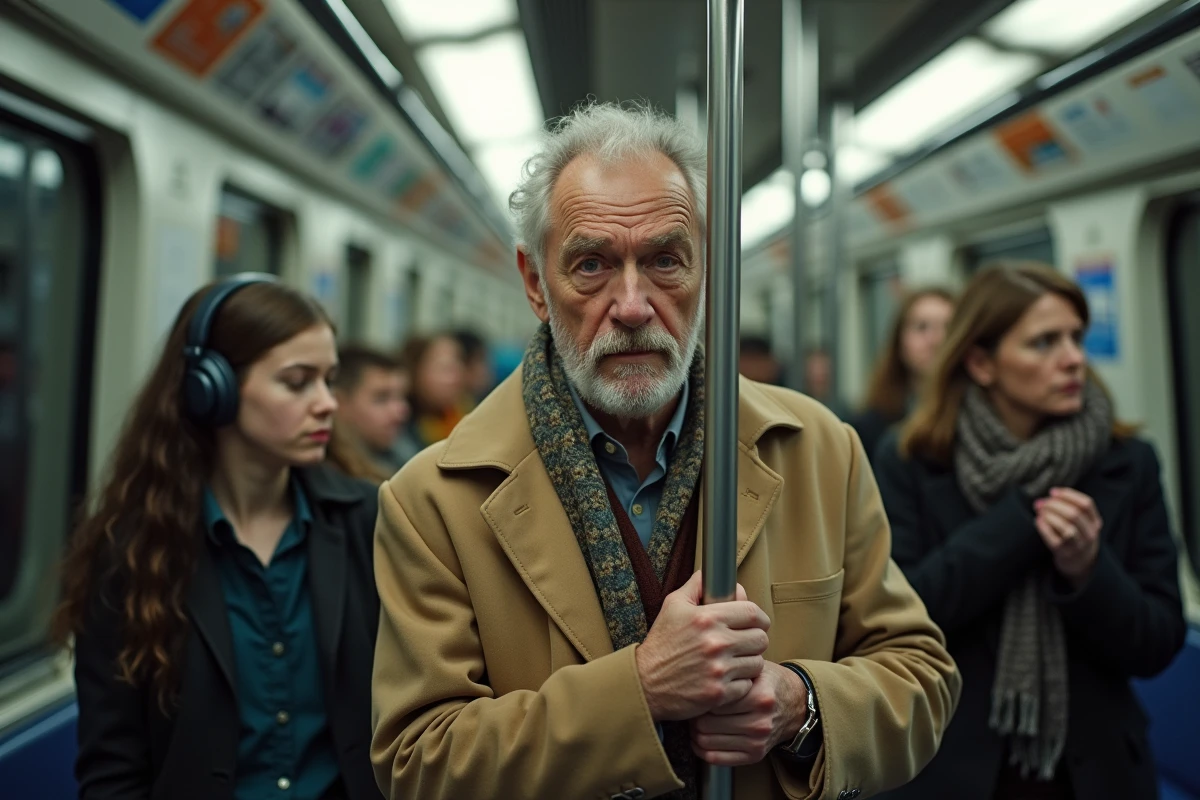
Traversing the Paris metro requires constant attention. Keep your belongings in sight, bags closed, and valuables out of sight. In dense stations like Gare de Lyon or Châtelet, carry your bag in front of you: countless thefts occur during ascents or while making connections.
Pelleport, Chardon-Lagache, Picpus… In these quiet stations where presences are rare, double your caution, especially at night. In case of prolonged waiting times, identify the nearest place to alert an agent or trigger the alarm. The emergency numbers displayed on the platforms are worth saving in your phone, just like a digital copy of your documents and useful contacts.
Avoid unsolicited interactions in the corridors or in front of the turnstiles: it’s better to politely refuse any offer that seems dubious, and prefer official taxis or legal apps to get back to the surface if in doubt. A scanned file, a few simple reflexes, and you’re ready to navigate the network without fearing an unpleasant encounter.
A well-prepared journey is a more serene journey. Check the map, identify your routes, and pay attention to network announcements. Some stations like Bir-Hakeim or Louvre-Rivoli ensure a regular presence of staff, another asset for facing the underground routine with the calm assurance of metro regulars.
The Paris metro forgives neither haste nor carelessness. But with enough practice, vigilance becomes a reflex, making each crossing smooth. It’s up to everyone to invent their own routine, leaving nothing to chance in the anonymity of Parisian tunnels.