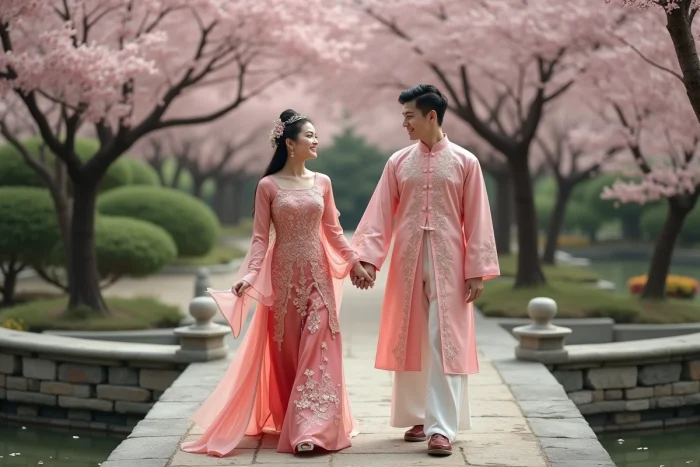
A red handkerchief slipped under the bride’s pillow in China defies bad omens; in Scotland, soot and rotten fish rain down on the future spouses to mark the threshold of life together. Unions are not alike: here, one marries within the same clan, there, the celebration stretches over several weeks.
Animals summoned for the ceremony, the color white banned, silence imposed: weddings disrupt codes, cross borders, and reinvent, according to each culture, the meaning given to commitment.
Why do marriage traditions vary so much around the world?
Across the globe, marriage goes beyond the mere signing of a document or the union of two individuals. These rituals are rooted in collective memory, faith, the realities of climate, or the organization of society. Each people imprints its values and expectations, thus forging gestures and symbols unique to its vision of the couple. Recurring themes such as fertility, prosperity, fidelity, union, and luck can be found, but each society embodies them in its own way, according to its priorities and history.
| Influencing Factors | Examples of Impact on Rites |
|---|---|
| History and Collective Memory | Transmission of family heirlooms, ancestral songs |
| Religions and Spiritualities | Presence of priests, prayers, sacred vows |
| Environment and Climate | Outdoor ceremonies, choice of offerings |
| Social Structures | Role of families, alliances, dowry |
Some rituals aim to keep harmful forces at bay, while others seek to strengthen the prosperity of the household or unite clans. Offering rice, tying hands, exchanging a piece of bread, or sharing a kola nut: each gesture has its own story, but all aim to protect and unite the couple for the long term. Those who wish to explore the richness of these traditions can visit https://www.mariagesdumonde.net/, a site that catalogs, analyzes, and brings to life the diversity of romantic commitment across continents.
An Overview of Iconic Wedding Rituals on Each Continent
To grasp the extent of the diversity of wedding rituals, one only needs to look at how each continent shapes the union. In the UK, the bride wears “something old, something new, something borrowed, something blue” and slips a sixpence into her shoe: luck and prosperity are invoked down to the smallest details. Across the Rhine, Germans break dishes during the Polterabend to ward off evil spirits, then saw a log together: a nod to the necessary cooperation of the couple.
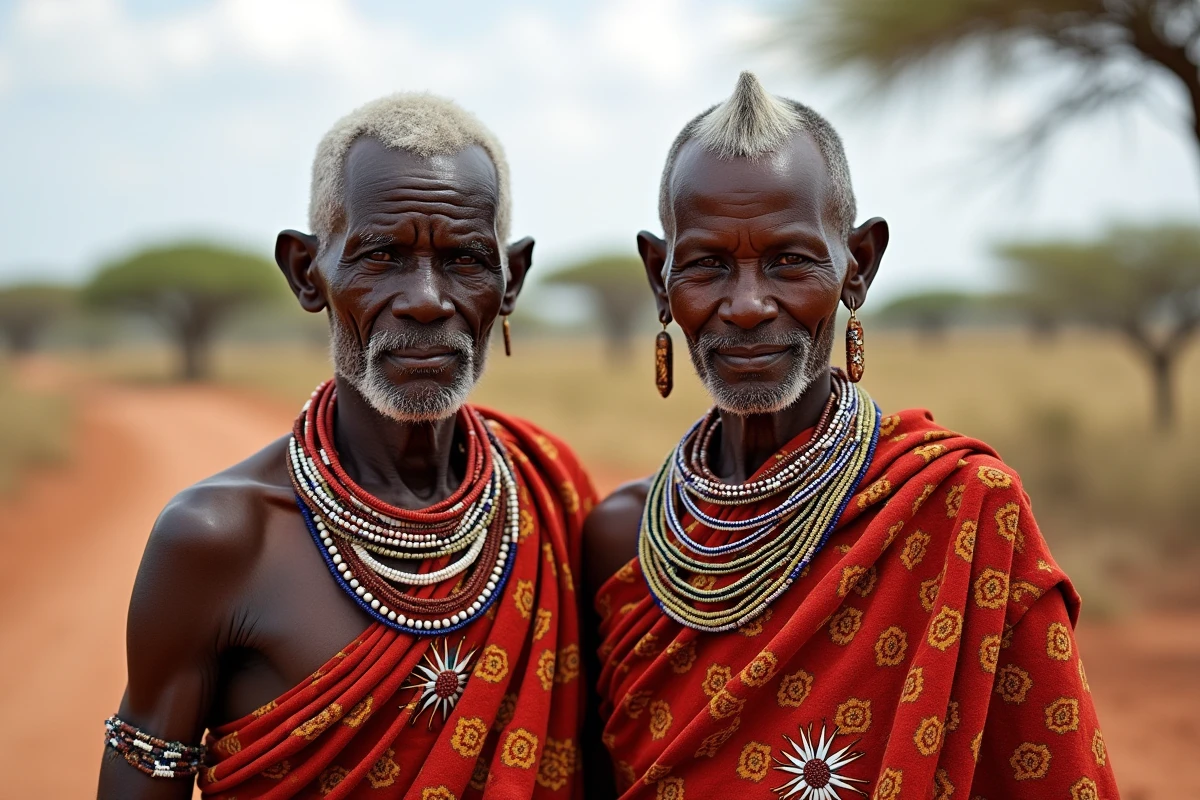
In Africa, the henna ceremony in Tunisia invokes happiness and fertility, while in Senegal, the kola nut is shared to seal mutual respect. The Maasai of Kenya offer beaded necklaces, symbols of domestic happiness. In Nigeria, the couple tastes four flavors: a reminder of the ups and downs of life together.
In Asia, the color red dominates in China, a sign of joy and prosperity, while the tea ceremony brings families together. In Borneo, three days without washing or using the toilet: this is how one affirms the strength of commitment. In Japan, the “san san kudo” sake ritual unites families, with the white kimono signaling a new beginning for the bride.
On the American continent, practices vary endlessly: in Canada, guests kiss with each chime of the glass; in Argentina, a ring hidden in the cake designates the future bride. In Brazil, a statuette of Saint Anthony is thrown as a pledge of an upcoming marriage, while in the United States, throwing rice at the exit of the ceremony remains a symbol of fertility.
What These Customs Reveal About Cultures and Human Bonds
These wedding rituals reveal what underpins each society. Far from being limited to celebration, they expose the values chosen to accompany life together: respect, union, fidelity, hope, transmission. Marriage is not lived in isolation: it connects the couple to a lineage, to a heritage, to an entire community.
Family and social groups are invited into shared gestures: in Russia, bread is ritually shared; in China, the tea ceremony bonds families; in Nigeria or Benin, tasting the four flavors together reminds that challenges are faced together. These acts show that union is born, built, and sustained with the support of the collective.
Obligations, taboos, imposed postures: not smiling in Congo, refraining from washing in Borneo, choosing a specific color, each requirement underscores the seriousness of the transition. Symbols cross borders: rings, grains of rice, lassos, tied ribbons. They embody attachment, the promise of a lasting bond. Through these practices, we measure human creativity, this ability to invent multiple responses to the same question: how to celebrate commitment, navigate challenges, and inscribe the couple into society?
To better understand the significance of these gestures, here are some key points:
- Marital Life: the ritual accompanies and structures the learning process together.
- Teamwork: solidarity is expressed in sawing a log or shared dances.
- Transmission: each marriage is a story that continues and renews.
Ultimately, these traditions remind us that, everywhere, the art of uniting two beings is also the art of connecting generations. The celebration ends, but the memory of the gestures continues to illuminate the path of the newlyweds. Who knows what rituals tomorrow’s couples will invent to celebrate their own adventure?