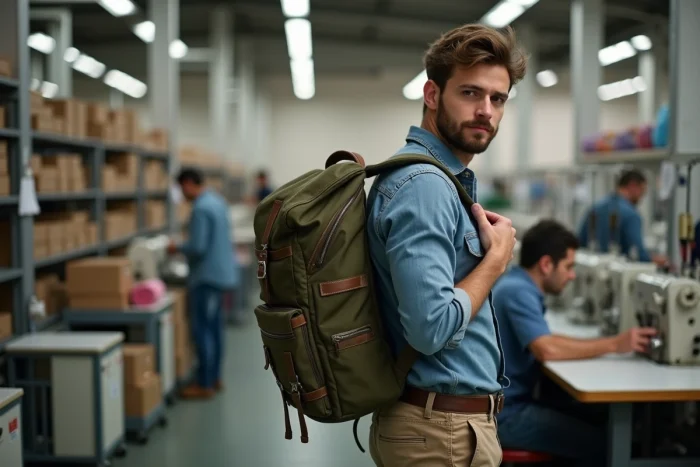
In 1952, the American company Eastern Canvas Products began producing bags for the U.S. Army. Several decades later, the name Eastpak became synonymous with urban backpacks for students and travelers around the world.
Today, the manufacturing of these bags extends from Asia to Europe, with production lines that meet strict criteria for sustainability and quality control. The evolution of materials, ethical issues related to labor, and innovation in design place the brand at the heart of debates on responsible consumption and product longevity.
From Military Origins to Urban Fashion: How Eastpak Backpacks Conquered the World
It all began in Boston in 1952. Eastern Canvas Products USA Inc. initially outfitted American soldiers. Monte Goldman, at the helm, imposed a requirement for durability and functionality. The image of the Eastpak bag was forged in this military tradition, originally reserved for institutional uses, far from the city streets. But in 1976, Mark Goldman, the founder’s son, shook things up and opened the door to the general public with the Padded model. The transition accelerated in 1985: the brand adopted the name Eastpak. A new player then entered the daily lives of families, students, and travelers.
The European success took off in the 1980s. In Paris, Berlin, Milan, the Eastpak backpack settled into the streets and school benches. It was not just a simple fashion accessory: the quality of the fabrics, the strength of the seams, and the ergonomic design appealed to a generation in search of reliability. The Padded Pak’r became the travel companion of an entire youth. The object even crossed the borders of cinema: in “Back to the Future,” Marty McFly proudly carries an Eastpak, propelling the brand to the status of a pop icon.
Now, the European headquarters beats to the rhythm of Belgium, the central point of a logistics designed to shine internationally. Eastpak multiplies collaborations with creators like Kris Van Assche or Raf Simons and supports Designers Against AIDS, illustrating a commitment that goes beyond the simple product. This journey, between heritage and renewal, fuels debates about the origin and history of the Eastpak brand and its ability to evolve everyday fashion without compromising on durability or social commitment.
Behind the Scenes of Manufacturing: Materials, Ethics, and Know-How at Eastpak
The production of Eastpak backpacks is now primarily concentrated in Asia, with workshops located in Vietnam, Bangladesh, and China. This choice is explained by economic considerations, but it requires the brand to closely monitor manufacturing conditions and respect for fundamental rights. Eastpak relies on recognized standards such as SA8000 and the Fair Labor Association to ensure independent oversight of social practices in its factories.
Here are the key points of the current industrial approach:
- Particular care in the selection of materials: ballistic nylon, technical polyester, durable canvases… all undergo rigorous strength testing.
- Reinforced seams, designed to withstand the distance where most bags fail.
- The gradual integration of recycled materials, with the goal of reducing pressure on the environment.
The brand reuses production scraps, invests in carbon offsetting and reforestation to limit the impact of its collections on the planet. On the warranty side, Eastpak hits hard: 30 years on the majority of its models. This stance encourages keeping one’s bag for a long time, far from the disposable reflex. Customers are increasingly interested in traceability, particularly regarding raw materials from India. This vigilance regarding manufacturing quality, ethics, and innovation solidifies Eastpak’s reputation on the global backpack scene.
Choosing the Right Backpack: Comparing Major Brands and Practical Tips for Every Use
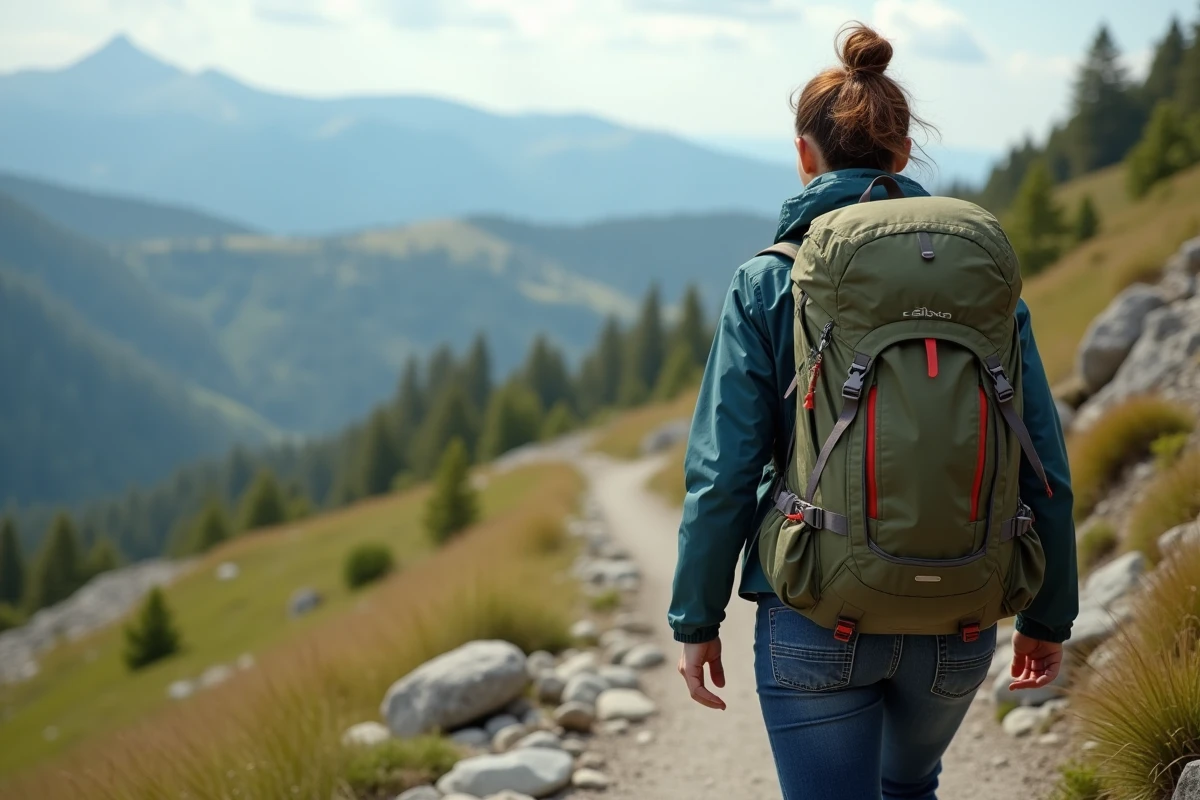
Finding the right backpack is not a matter of chance. It requires a combination of quality, functionality, and style to target the bag that will accompany you daily. With its military heritage, Eastpak offers a wide range, where each model has its preferred terrain. The Padded Pak’r, now a reference, stands the test of time thanks to its sleek design and robust seams, highly appreciated in high schools and universities.
Needs vary according to use. Here’s what users highlight based on their profiles:
- For urban commutes or work, models like the Padded Returnity or the Out of Office include a padded compartment for laptops and storage solutions designed for organization.
- Travelers turn to rolling bags or duffle bags, capable of handling heavy loads without compromising transport comfort.
Eastpak caters to everyone: students, professionals, globe-trotters, or schoolchildren find a model suited to their daily lives. The 30-year warranty remains a strong argument for those betting on durability and rejecting planned obsolescence. To make the right choice, it is essential to assess capacity, the presence of targeted pockets, the durability of closures, and ease of maintenance. Aesthetically, everyone will find a version to their taste, from timeless classics to the boldest limited editions.
At a time when the planet demands more thoughtful consumption, choosing an Eastpak backpack is betting on the long term. And what if, tomorrow, true luxury meant keeping the same bag for thirty years?